
Why Crash Diets Rarely Work for Long-Term Weight Loss
There are many fad diets promising rapid weight loss, but one thing is certain: crash diets rarely work long-term.
There are scientific reasons rapid weight loss isn’t sustainable, and we’ll explain them in this article.
The Science of Crash Diets and Rapid Weight Loss
Our physiology evolved to treat extreme caloric restriction as a survival threat.
In an effort to protect our bodies, crash diets trigger powerful neuroendocrine mechanisms that undermine our ability to achieve long-term results, a process known as metabolic adaptation.
Metabolic Adaptation or Adaptive Thermogenesis: Calories are energy, and when our intake plummets, the body interprets this as starvation.
This, in turn, triggers adaptive thermogenesis, the body’s ability to conserve the fuel that remains. From there, your resting metabolic rate drops faster than weight loss alone would.
Fat-storing, appetite-regulating hormones now shift significantly, causing our satiety hormone, which signals fullness, to plummet while our hunger hormone, ghrelin, surges.
The end result is that our bodies burn fewer calories at rest and during activity. We also experience intense cravings that make long-term calorie restriction impossible without some form of support.
Muscle loss – The second phase: Muscle burns significantly more calories at rest than fat tissue.
The problem with crash diets is that protein breaks down due to insufficient dietary energy, so the body breaks down active muscle tissue through catabolic pathways to convert amino acids into much-needed glucose.
This process causes muscle loss, which lowers your body’s total daily energy expenditure, creating a slower metabolism that makes future weight gain easier and quicker.
Using Science for Sustainable Weight Loss Alternatives
Sustainable weight-loss alternatives need to bypass our body’s starvation mode. To do this, we need to preserve our metabolic health while losing weight.
Combine these three strategies for optimal weight loss:
- Healthy dieting should start with a moderate 15 to 20% caloric reduction to prevent severe adaptive thermogenesis and preserve muscle mass.
- Focus on consuming adequate protein at every meal, roughly 1 gram of protein per body weight in total for the day.
- Incorporate resistance training to retain muscle mass and continue to build calorie-burning additional muscle.
Regevity Programs to Aid Long-Term Weight Loss
Our GLP-1 Program: GLP-1s are a safe medical approach to sustainable weight loss. Our team will create a personalized program tailored to your lifestyle and goals.
They work by regulating our appetite and blood sugar, helping control hunger, reduce cravings, and promote fat burning, all of which support sustainable weight loss.
When you combine GLP-1 treatments with a proper diet, adequate protein, and resistance training, the pounds melt off and stay off without compromising your metabolism, supporting long-term success.
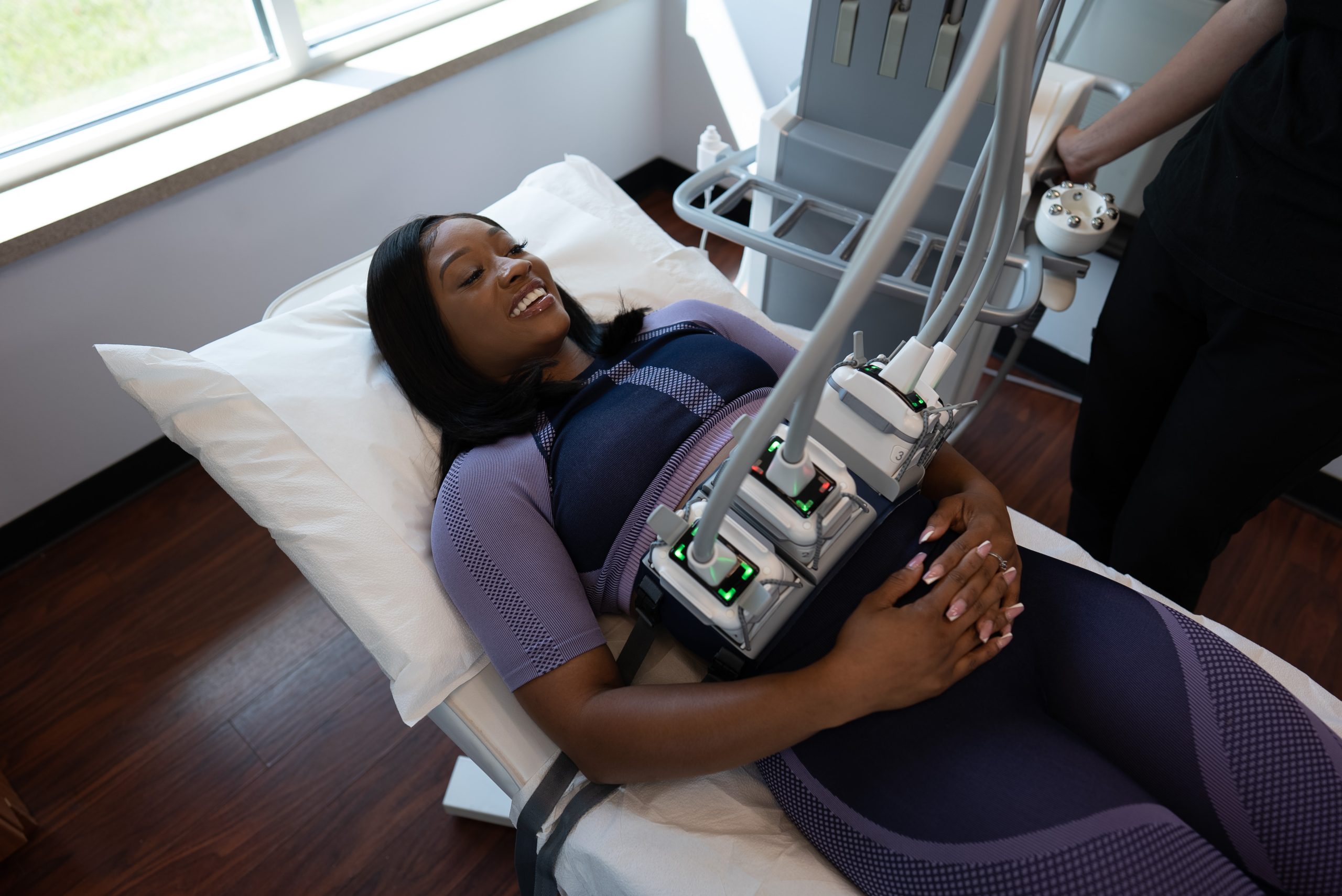
Other powerful Regevity programs to complement your GLP-1 journey include our body-contouring, laser fat removal, and body-sculpting treatments.
These treatments are designed to enhance your weight-loss results by tightening loose skin, reducing cellulite, and supporting fat loss as you move toward a healthier weight.
Learn more about our cutting-edge technologies for sustainable weight loss today!