Why Skin Starts to Lose Elasticity After 30
The science of aging shows that as we age, our skin’s elasticity declines due to a combination of biological and environmental factors.
Understanding why we experience a loss of skin elasticity and a decrease in collagen production will explain how to intervene to retain as much youthful elasticity as possible.
Your Skin’s Core Proteins and How They Keep Your Skin Young
Our skin’s middle layer, called the dermis, uses two proteins to provide structure:
Collagen: 80% of our skin is made of collagen, which serves as our skin’s basic framework, providing strength, density, and firmness.
Elastin: Of all our skin proteins, only 2 to 4% are elastin, which forms a network of tiny springs that allow our skin to flex and snap back.
The Types of Aging That Affect Our Skin
- Biological aging: Starting in our 20s, our skin’s elasticity begins to decline, and our skin ages naturally.
Collagen production drops by about 1% to 1.5% each year, and elastin isn’t easily replaced, leading to thinner skin that sags and loses its ability to bounce back.
- UV damage and photoaging: UV radiation from the sun accelerates skin aging and loss of skin elasticity through free radicals that damage our cellular DNA and structural proteins.
The sun also triggers the release of enzymes called MMPs (matrix metalloproteinases), which rapidly break down collagen.
In an effort to repair sun damage, our skin overproduces dysfunctional elastin fragments rather than restoring skin elasticity and stretch. This overproduction creates deep wrinkles and leathery skin.
Ultimately, skin elasticity is affected on two fronts: age suppresses fibroblast output, and UV radiation aggressively destroys existing collagen and interferes with elastin production.
How Regevity Can Help Restore Our Youthful Glow
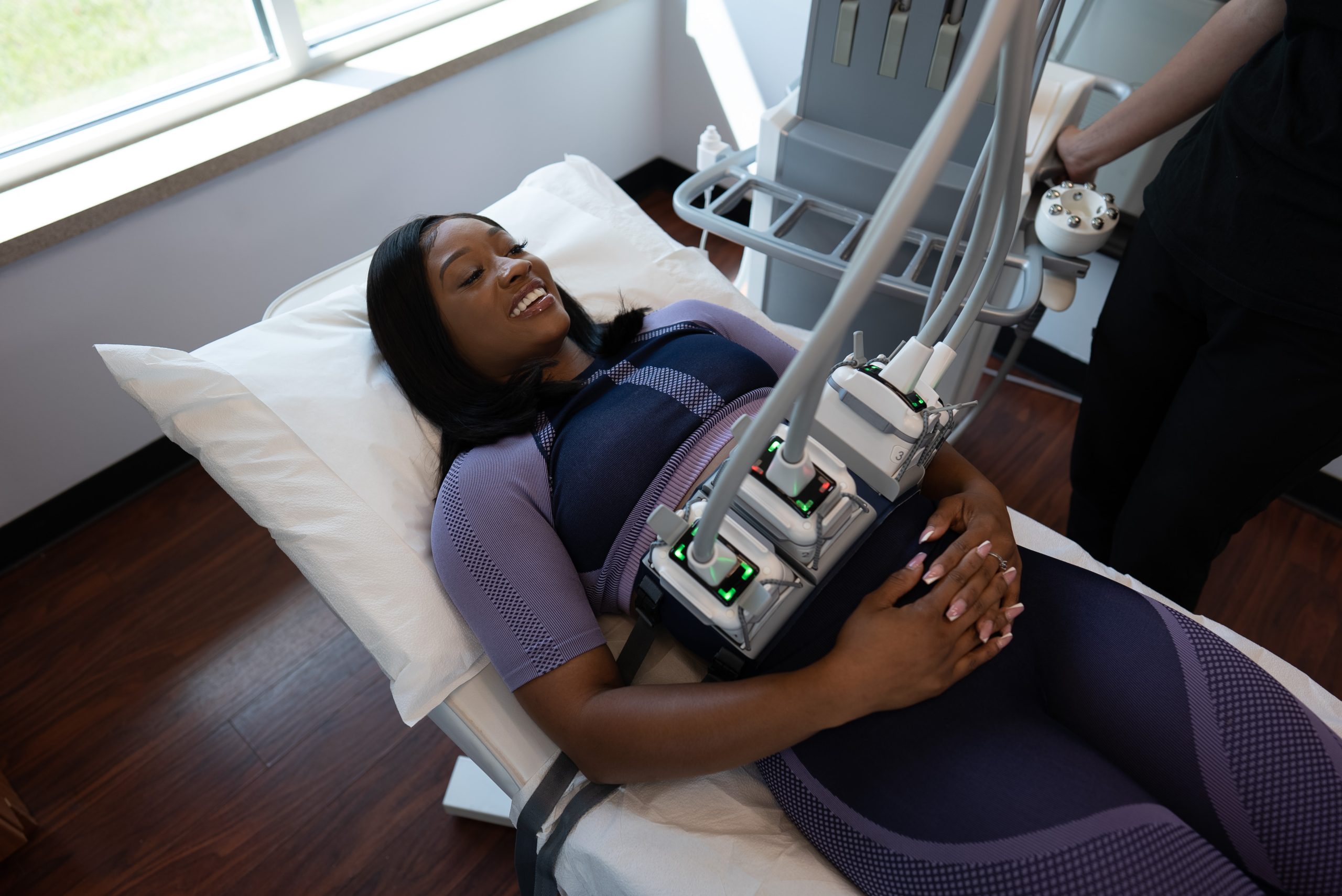
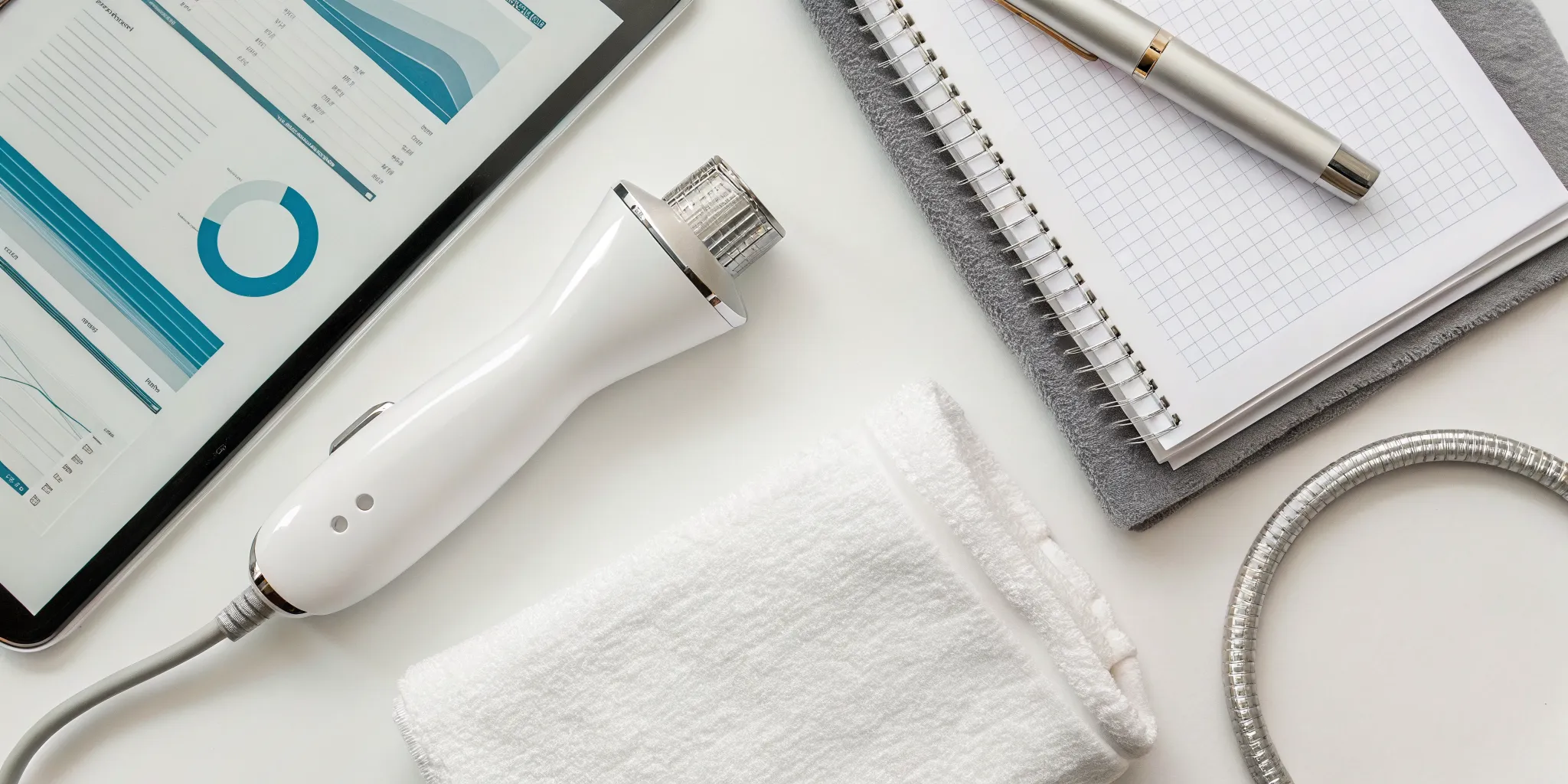
Regevity skin tightening treatments use science and proven techniques to target skin laxity with non-surgical, energy-based medical devices.
The science behind our innovative treatments uses controlled thermal injury and energy conversion to prompt dormant cells to rebuild structural proteins.
Skin tightening involves delivering precise energy using ultrasound and radiofrequency into the dermis while leaving the outermost layer, the epidermis, unharmed.
When tissue is safely heated to the proper temperature, the existing, stretched collagen fibers instantly contract and tighten, producing an initial firming effect.
From there, new collagen growth occurs. Fibroblasts are signaled to ramp up production, generating new collagen and elastin fibers over several weeks after treatment.
Regevity’s Key Technologies
Sofwave: Uses high-frequency ultrasound waves delivered in a parallel beam that targets the mid-dermis at 1.5mm. This is the optimal zone for collagen and elastin production.
Venus Legacy and Venus Viva: Use radiofrequency and magnetic fields to penetrate the skin’s tissue, causing water molecules to vibrate rapidly.
This friction generates uniform heat, stimulates new blood vessel and fibroblast production, and increases oxygen and nutrient delivery for structural repair.
The strength of Regevity’s skin-tightening systems is their ability to leverage physics to activate our skin’s natural biology.
Schedule a free consultation with one of our beauty experts to learn more about our innovative treatments to restore youthful skin!